Human Cardiac Models
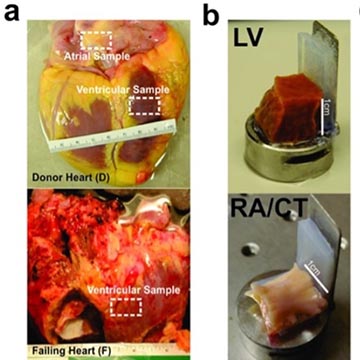
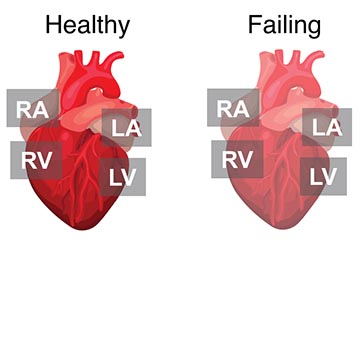
CVET uses human cardiac tissues and cell-based systems to study electrophysiology, contractile function, metabolism, and treatment response. Current platforms include living human cardiac slices, patient-derived cells, and iPSC-derived cardiomyocytes, providing clinically relevant tools for investigating arrhythmia, heart failure, cardiotoxicity, and other forms of cardiac injury. Cardiovascular Disease Models
CVET integrates genomic, transcriptomic, imaging, and physiological data to identify disease mechanisms, therapeutic targets, and predictors of treatment response. Computational analysis and standardized testing platforms support comparison of technologies across models and help guide progression from early discovery to preclinical validation.