Cardiac Bioelectronics
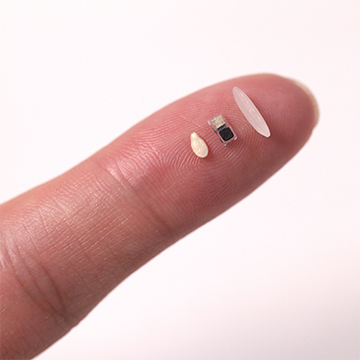
CVET develops soft, miniaturized, and multifunctional bioelectronic systems for monitoring and regulating cardiac function. Current technologies include wireless and bioresorbable pacemakers, implantable sensors for continuous physiological monitoring, graphene-based cardiac interfaces, flexible electro-optical arrays for high-resolution mapping and stimulation, and integrated pacing–ablation–mapping catheters for cardiac resynchronization therapy. Together, these platforms enable more precise diagnosis and treatment of arrhythmias and heart failure while reducing the invasiveness and long-term burden of conventional cardiac devices.3D-Printed Vascular Stents
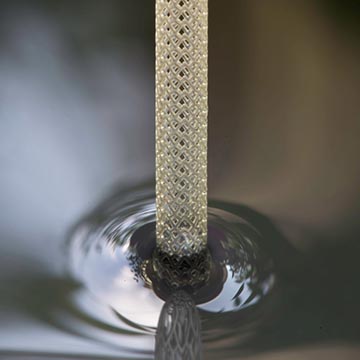
CVET develops additively manufactured vascular stents with tunable structure, mechanical properties, and surface functionality. Three-dimensional printing enables precise control over device architecture and creates opportunities to design patient- or disease-specific implants. These platforms can also be engineered to support localized delivery of therapeutic agents, biologics, or organelle-based treatments from the stent surface to diseased vascular tissue.