Human Heart Physiology
Understanding human cardiac physiology is essential for uncovering the mechanisms that drive cardiovascular disease and developing effective therapies. CVET utilizes ex vivo human cardiac tissue models, including living ventricular and atrial slices, to investigate cardiac electrophysiology, metabolism, and disease-related remodeling in a physiologically relevant human system. These platforms bridge the gap between animal studies and clinical research, enabling direct investigation of human heart function in health and disease.
Projects
Sex Differences in Human Hearts
Increasing amounts of evidence support sex differences in disease and its symptoms, prevalence, age of onset, and response to therapies. Such sex differences have been related to sex chromosomes, sex hormones, or other gender-related behaviors, yet the molecular and functional mechanisms underlying these differences mostly remain unexplored. Heart failure and other cardiomyopathies have distinct presentations in males versus females that are often overlooked, leading to ineffective treatment and contributing to the growing mortality from heart diseases. Understanding the differences in the pathogenesis of heart disease in males and females can guide early diagnostics and sex-specific therapy.
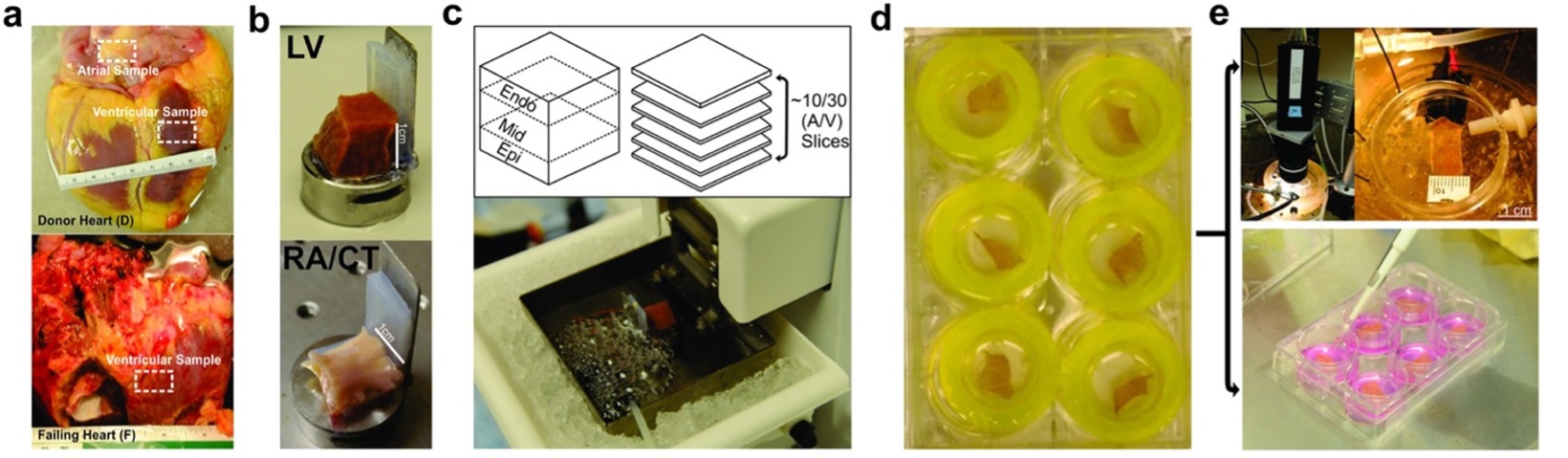
Organotypic human cardiac slice methodology. Human atrial and ventricular tissue from (a) donor and failing hearts was (b, c) sectioned into thin slices using a vibratome, (d) equilibrated, and (e) used for ex vivo electrophysiology, optical mapping, and culture studies.