Arrhythmia Mechanisms
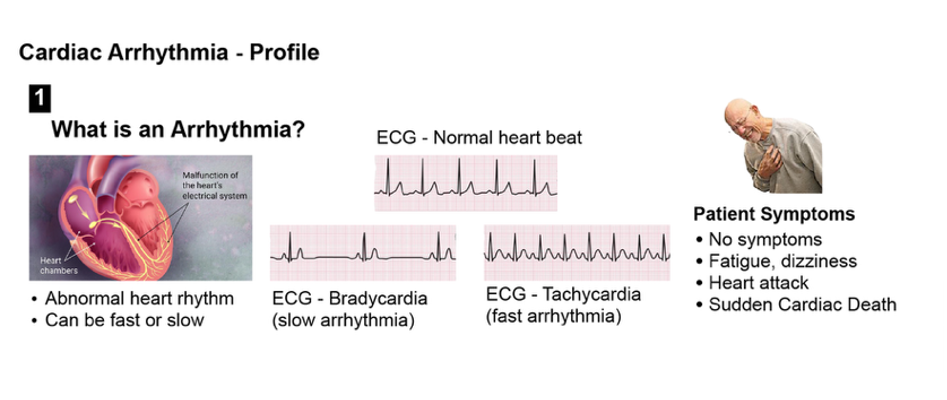
Cardiac arrhythmias are a significant cause of morbidity and sudden cardiac death worldwide. CVET investigates the mechanisms that initiate and sustain abnormal cardiac rhythms, spanning calcium handling defects, electrophysiological remodeling, and structural heart disease. By combining high spatiotemporal cardiac optical mapping and innovative electrotherapies, we seek to develop safer and more effective therapies for the prevention and treatment of cardiac arrhythmias.
Projects
Suppressing Calcium Leaks by Targeting Ryanodine Receptor 2 in the Heart Reduces Arrhythmia Burden
Conditions that lead to structural heart disease, such as myocardial infarction, are associated with leaky Ryanodine receptor 2 (RyR2) which increases arrhythmia susceptibility. In this study, we hypothesized that inhibiting RyR2 receptors in these hearts can reduce the arrhythmia burden. In collaboration with Vanderbilt University, we have investigated RyR2 modulation using dantrolene, a pan-RyR inhibitor, in both murine models and human cardiac slices. To model RyR2 dysfunction, mouse hearts following myocardial infarction and human cardiac slices treated with caffeine were studied under β-adrenergic stimulation. These conditions increased arrhythmia susceptibility, including ventricular tachycardia in mice and premature ventricular contractions (PVCs) in human tissue, accompanied by shortened action potential duration. Dantrolene treatment reduced arrhythmia incidence and restored action potential duration, demonstrating its ability to suppress both arrhythmogenic triggers and substrate.
Building on these findings, we evaluated a novel anti-arrhythmic compound, ent-Verticilide, which selectively targets RyR2. Unlike dantrolene, this approach enables more precise modulation of RyR2 function. Our results demonstrate that selective RyR2 targeting can safely suppress abnormal cardiac electrical activity, highlighting a promising therapeutic strategy for arrhythmia prevention in structural heart disease.